Saint Gerlach of Valkenburg / Houthem
Whether the first of these, Saint Gerlach, became a member of the Order of Saint John when he
served as a penitent in the Hospital of Jerusalem for seven years from 1151 onwards is neither historically proven nor excluded.
Wikipedia (https://de.wikipedia.org/wiki/Gerlach_von_Houthem ) writes:
Gerlach of Houthem (variant names: Gerlachus, Gerlac, Gerlach of Valkenburg, and others ; * around 1100 in Valkenburg aan de Geul ; † between 1164 and 1177 in Houthem near Valkenburg aan de Geul) was a knight and later a hermit from the Duchy of Limburg . He was later canonized and is venerated in various ways, particularly in the Maastricht and Aachen area . His Catholic feast day is January 5.
Life and work
Gerlach was of noble birth and participated as a knight in various battles and tournaments . During one of these away tournaments, he was informed that his wife had died at home. Gerlach was deeply saddened that he had not been present during her final days and repented of his careless life. He then made a pilgrimage to Rome and asked the Pope for appropriate penance. The Pope advised him to first make a seven-year pilgrimage to Jerusalem and to lead a permanently ascetic Christian life.
Gerlach then gave away all his possessions and luxury goods and embarked on the imposed pilgrimage to Jerusalem. There he worked in a hospital run by the Knights Hospitaller and as a simple shepherd in the fields.
It must have been around the year 1151 when Pope Eugene III
imposed a penance of seven years of servitude in Jerusalem on him.

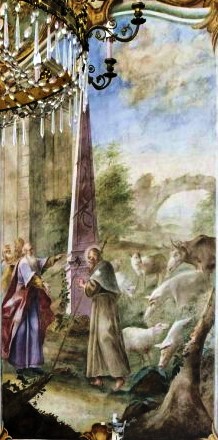
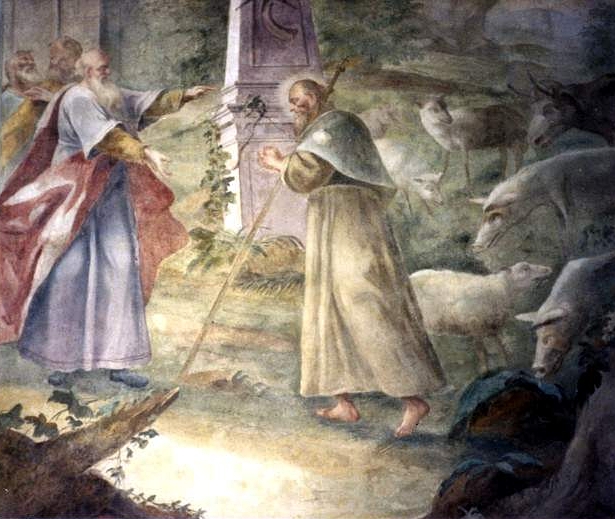
Image402 Upon arriving in Jerusalem, he goes to the hospital
where the poor and sick are cared for.
It was the hospital of the Order of St. John, and possibly Blessed Raymond, who welcomed him.
The brothers wanted to give him easy tasks, but he refused. He desired humble, hard work and became quite talkative after tending to the hospital's livestock.
Wikipedia continues: "Gerlach subsequently settled
as a hermit in the small hamlet of Houthem near Valkenburg in the Göhl valley ."
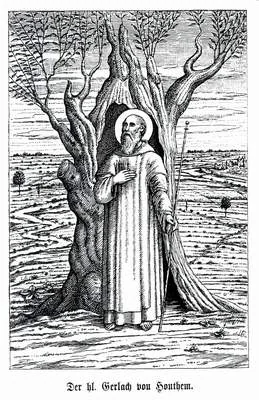 403
403 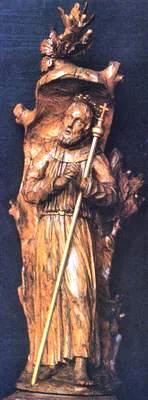 404
404
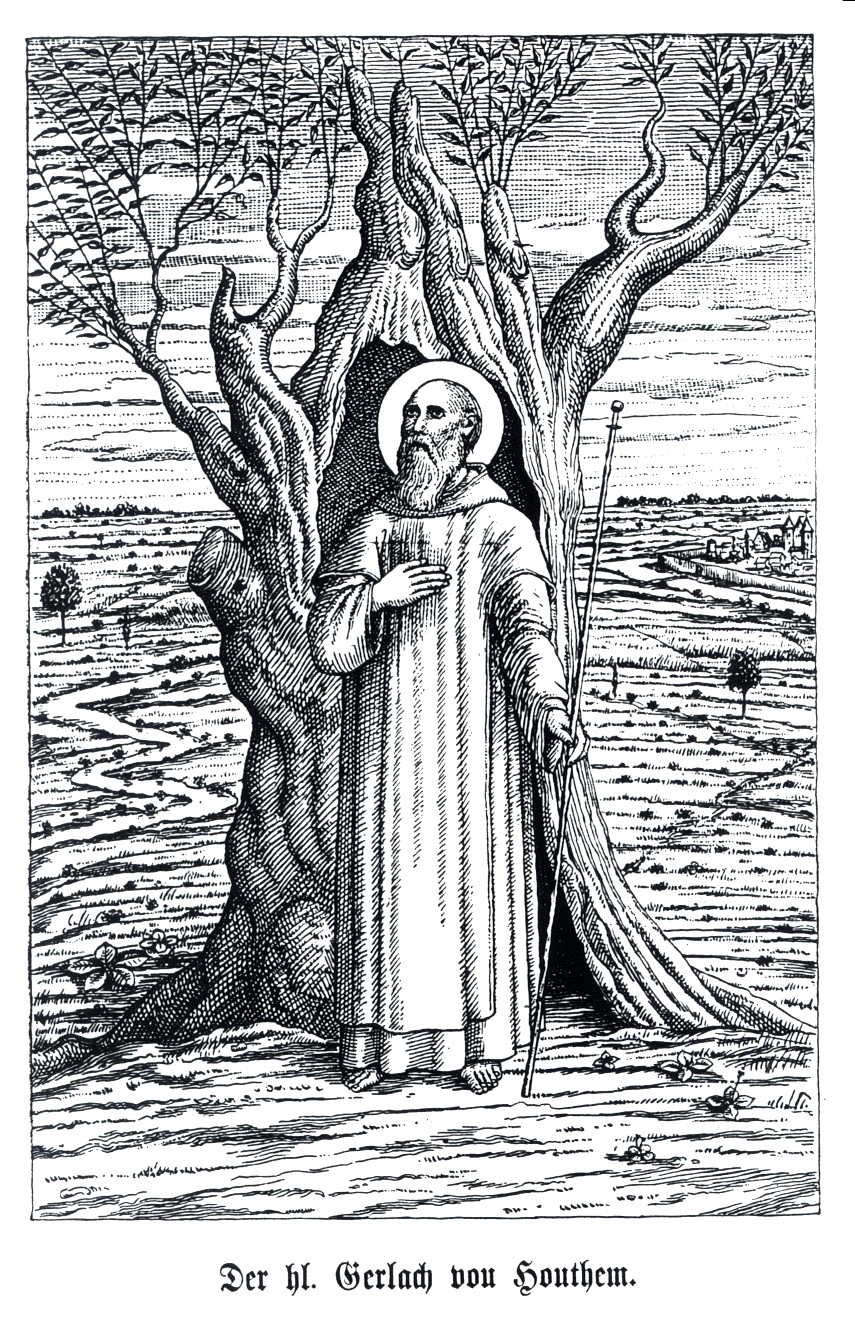
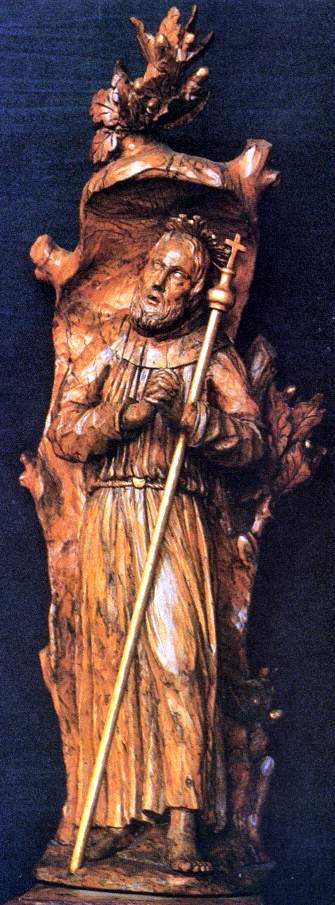
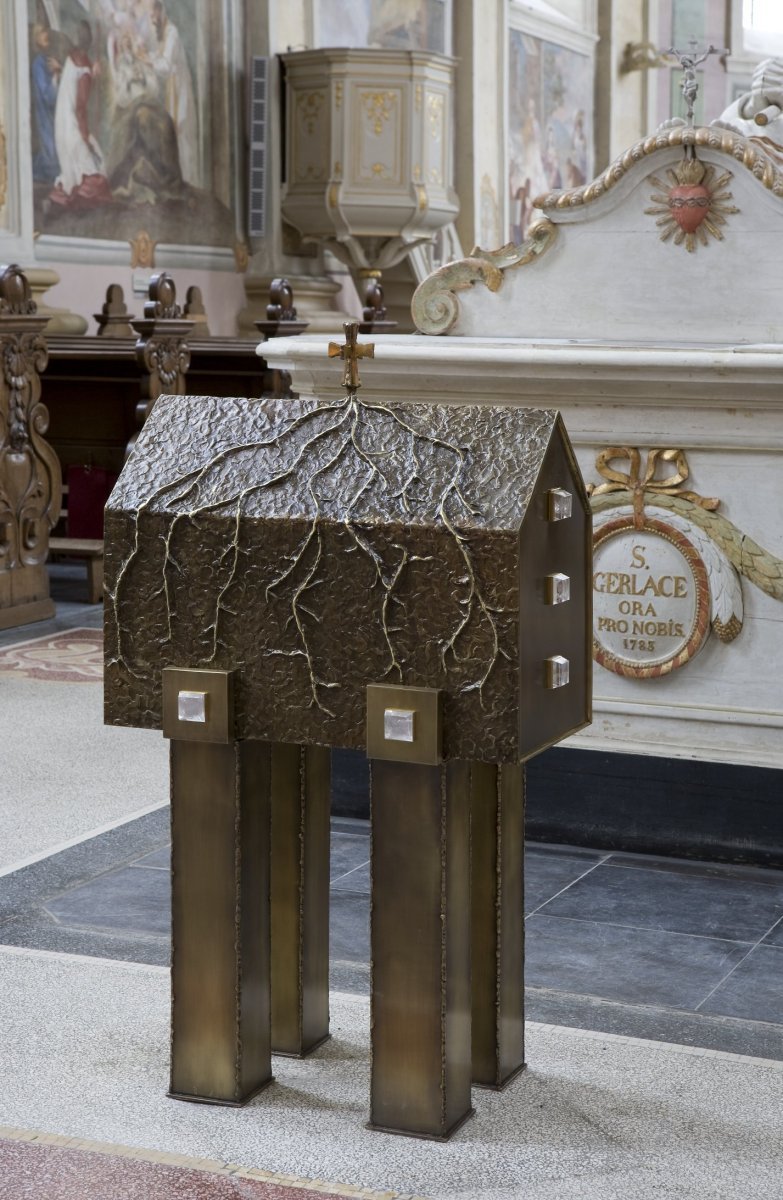
There he set up his dwelling in a hollow tree…“
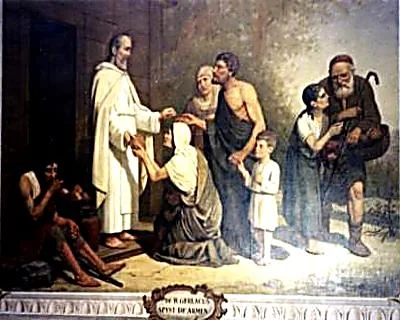 405
405
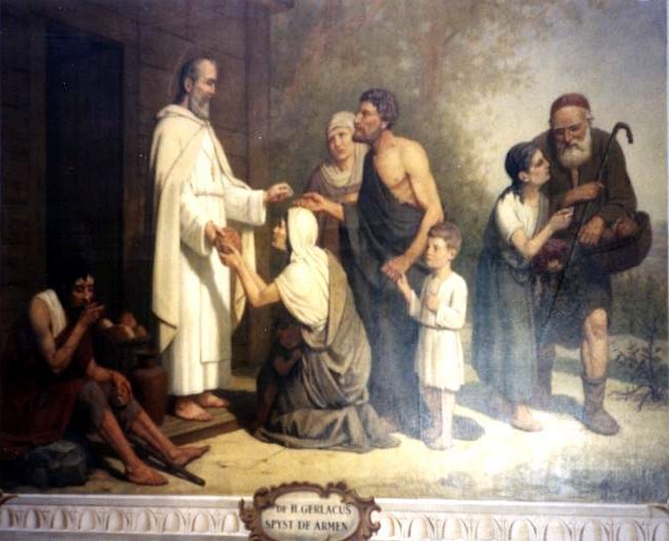
… He gave food to the poor . …
Gerlach died on January 5th
, and depending on the interpretation of the literature, between 1164 and 1177.”
His feast day is celebrated on January 5th.
Preferred account from Blessed Gérard and his ‘Everlasting Brotherhood’. Membership of the Order is not historically proven.